Gas Mixer for Allergy Research
In the world of healthcare, understanding allergies is crucial.
Allergies affect millions worldwide. They’re your body’s reaction to seemingly harmless substances—a pollen grain, a speck of dust, or a food protein.
Allergens are often invisible to the naked eye, making their detection and study challenging.
The Complexity of Allergic Reactions.
Allergic reactions are intricate, involving the immune system’s hypersensitivity to allergens.
To decipher allergies, researchers require precision and control over experimental conditions.
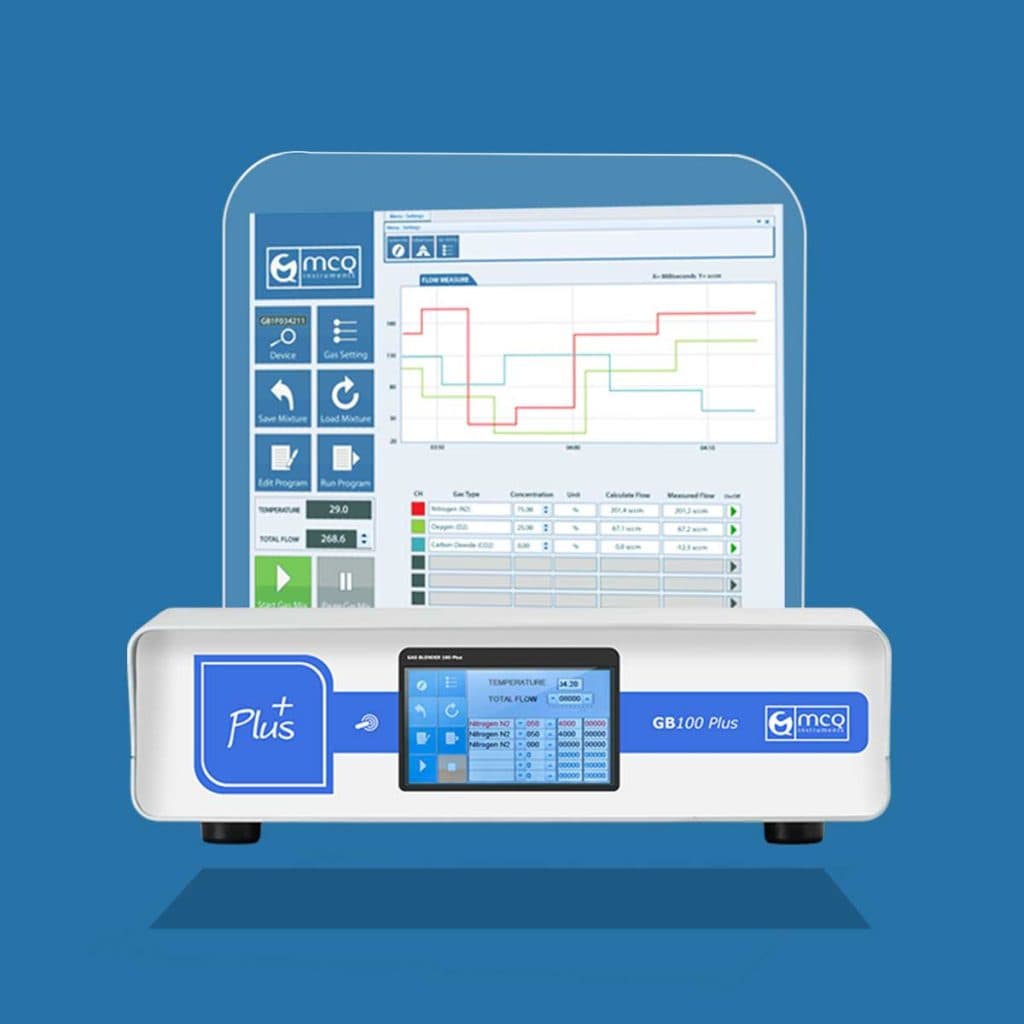
This is where the gas mixer steps in, offering precise control over the gas environment.
Why do Gas Mixers Matter?
Gas mixers are vital in allergy research for several reasons.
They allow scientists to precisely regulate allergen concentrations, enabling controlled exposure in experiments.
In the future, gas mixers may play a role in crafting personalized allergy treatments.
Understanding Allergic Mechanisms.
With the aid of gas mixers, researchers can uncover the mechanisms behind allergic reactions.
Pollen Forecasting.
Gas mixers help in developing accurate pollen forecasting systems, aiding allergy sufferers in managing their condition.
Beyond the Obvious Allergens.
Allergy research extends beyond common allergens, probing into lesser-known triggers.
Prevention and Treatment.
Gas mixers contribute to developing preventive strategies and innovative allergy treatments.
In conclusion, they are indispensable tools in the intricate world of allergy research. They empower scientists to uncover the secrets of allergies, leading to better prevention, treatment, and relief for millions.