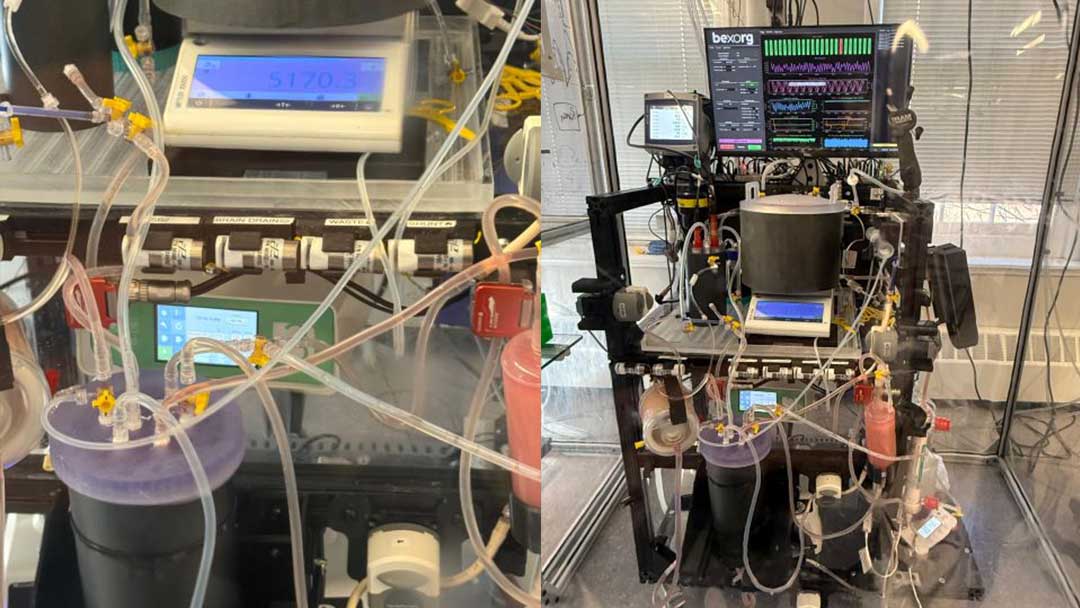
Gas Mixer for Ex Vivo Human Brain Perfusion — Bexorg
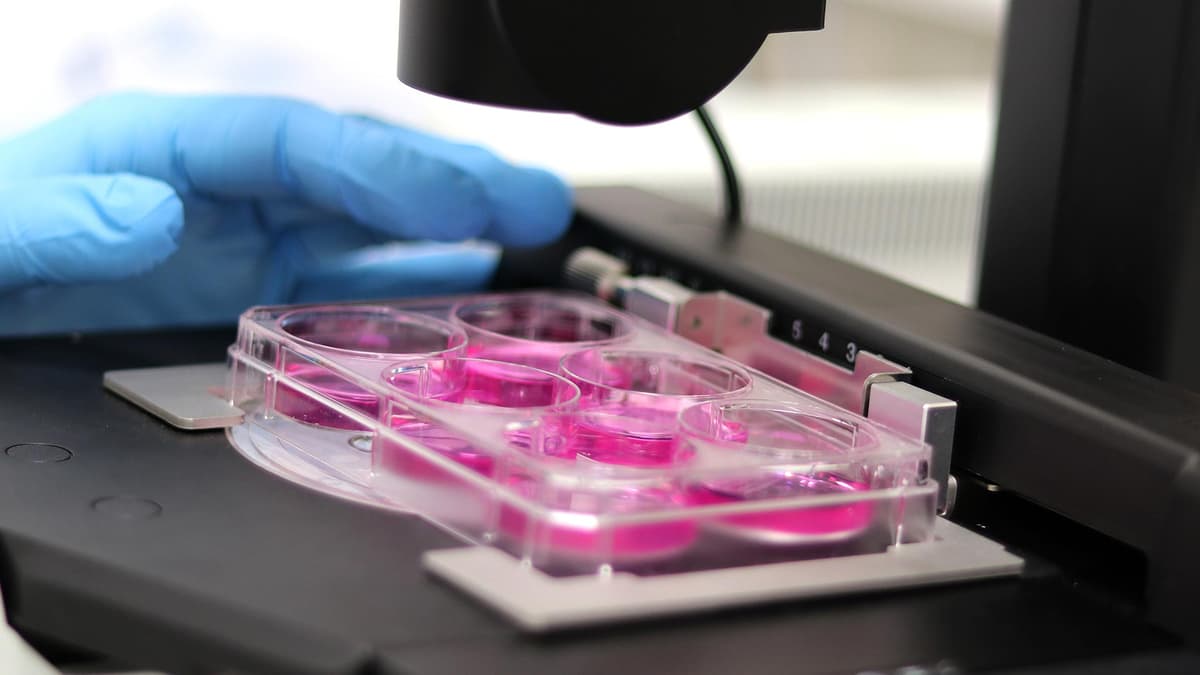
Bexorg uses MCQ Gas Mixers to deliver the precise oxygen and gas control that keeps perfused human brain tissue metabolically viable, stable and reproducible for preclinical drug testing.
Application notes detailing how MCQ gas mixers are used in cell culture, IVF, spectroscopy, sensor calibration and more.
Filter by:
Bexorg uses MCQ Gas Mixers to deliver the precise oxygen and gas control that keeps perfused human brain tissue metabolically viable, stable and reproducible for preclinical drug testing.

Gas mixers deliver the precise analyte concentrations and controlled flow rates required to characterise novel chemiresistive sensing materials, from ppb-level detection limits to response and recovery kinetics.

Gas mixers enable independent control of oxygen at two cell populations in the same co-culture, reproducing the vessel-to-tumour oxygen gradient for cancer and immune cell research.

Gas mixers generate certified trace-level mixtures of NO₂, SO₂, NH₃, CO and N₂O in controlled matrices, enabling calibration of multi-gas optical sensors for environmental monitoring.

Gas mixers generate precise NO, NO₂ and NH₃ mixtures for developing and calibrating exhaust gas sensors used in automotive antipollution systems and industrial emissions monitoring.
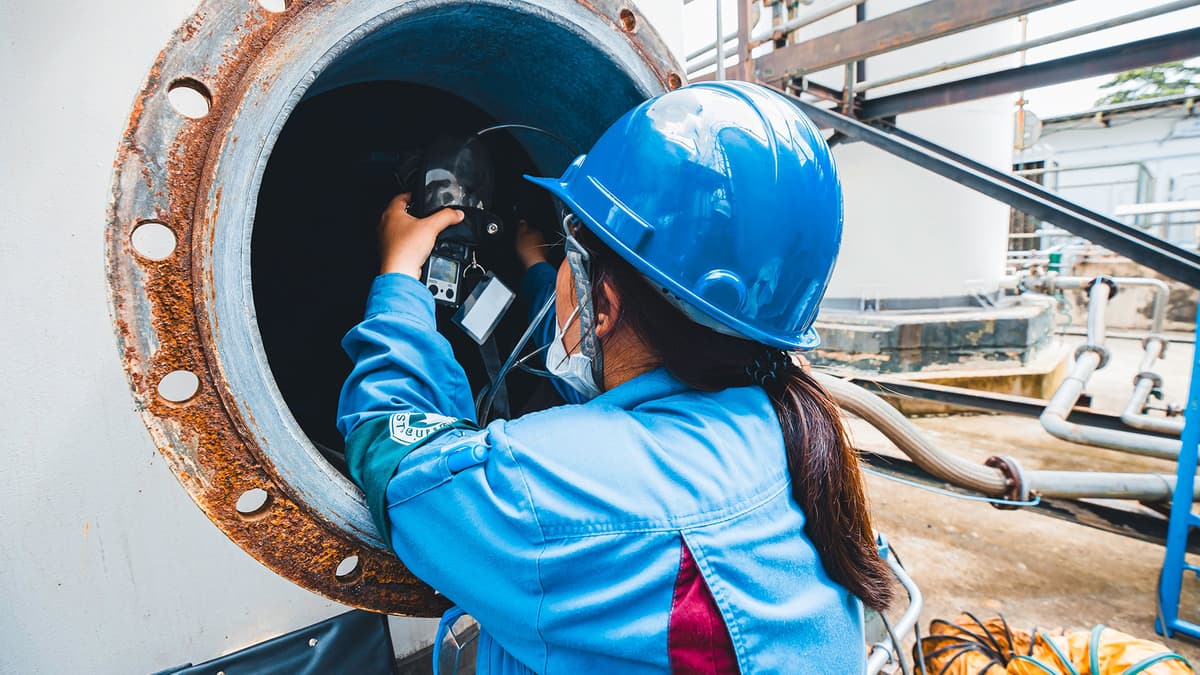
Gas mixers generate precise methane, ethane and propane mixtures for calibrating optical gas sensors, from natural gas composition analysis down to ppb-level trace and leak detection.
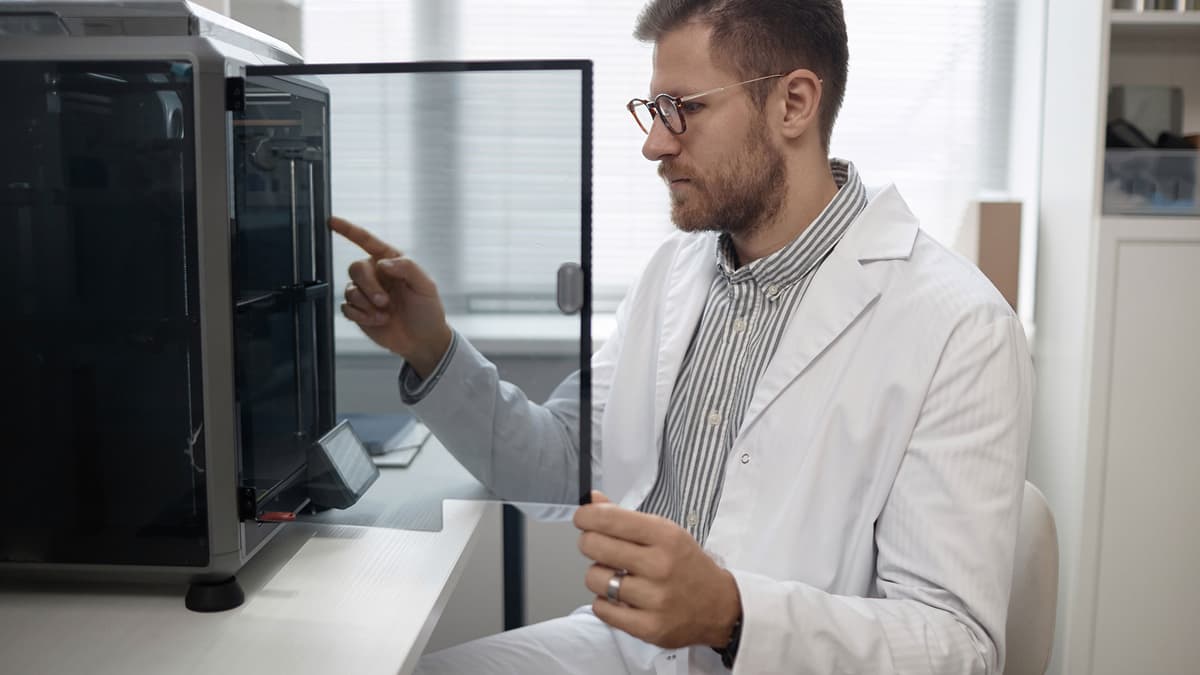
Gas mixers generate precise, reproducible hydrogen concentrations for testing and calibrating safety sensors used in fuel cells, energy storage, and hydrogen infrastructure.
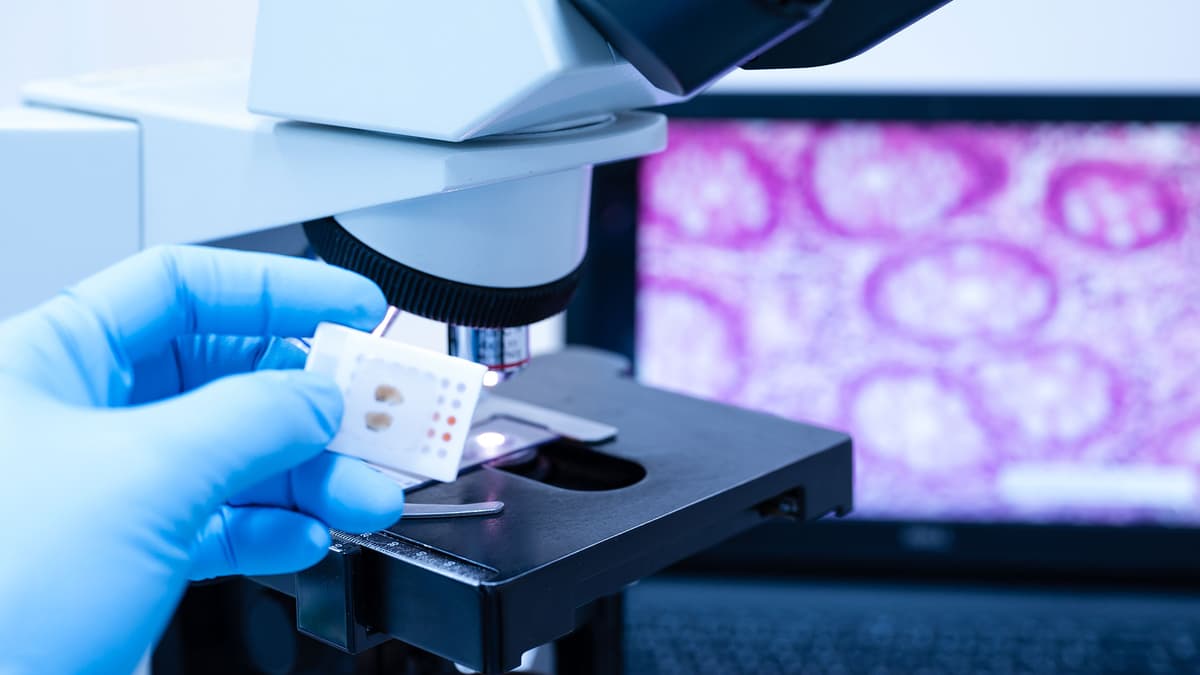
Gas mixers reproduce the rapid intermittent hypoxia of obstructive sleep apnea, enabling researchers to study how cyclic oxygen exposure drives cancer cell proliferation and metastasis.

Gas mixers allow the output of defined gas compositions by combining gases such as O₂, CO₂, and N₂. Oxygen concentration can be adjusted.

In microbiology, small variations in gas composition can significantly impact experimental outcomes, this is especially critical in headspace-controlled systems.

Programmable gas mixers enable researchers to generate stable and reproducible gas environments, while also allowing dynamic adjustment of oxygen.
Programmable gas mixing systems address this challenge by maintaining stable and reproducible oxygen conditions throughout the experiment.