Hypoxic Atmosphere - University Maryland Baltimore

HYPOXIC ATMOSPHERE
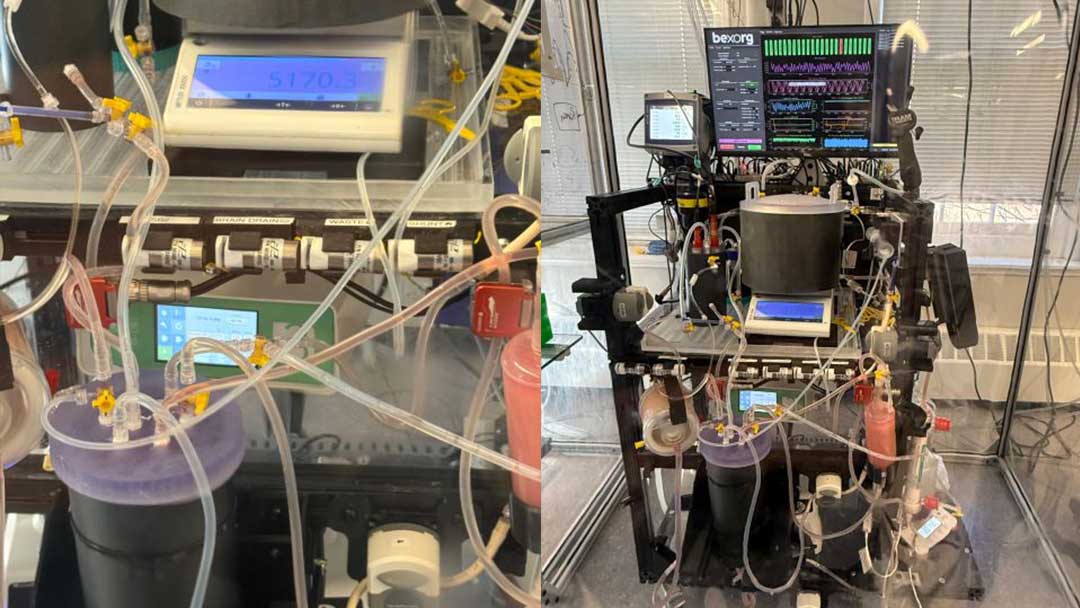
MICRO FLOW
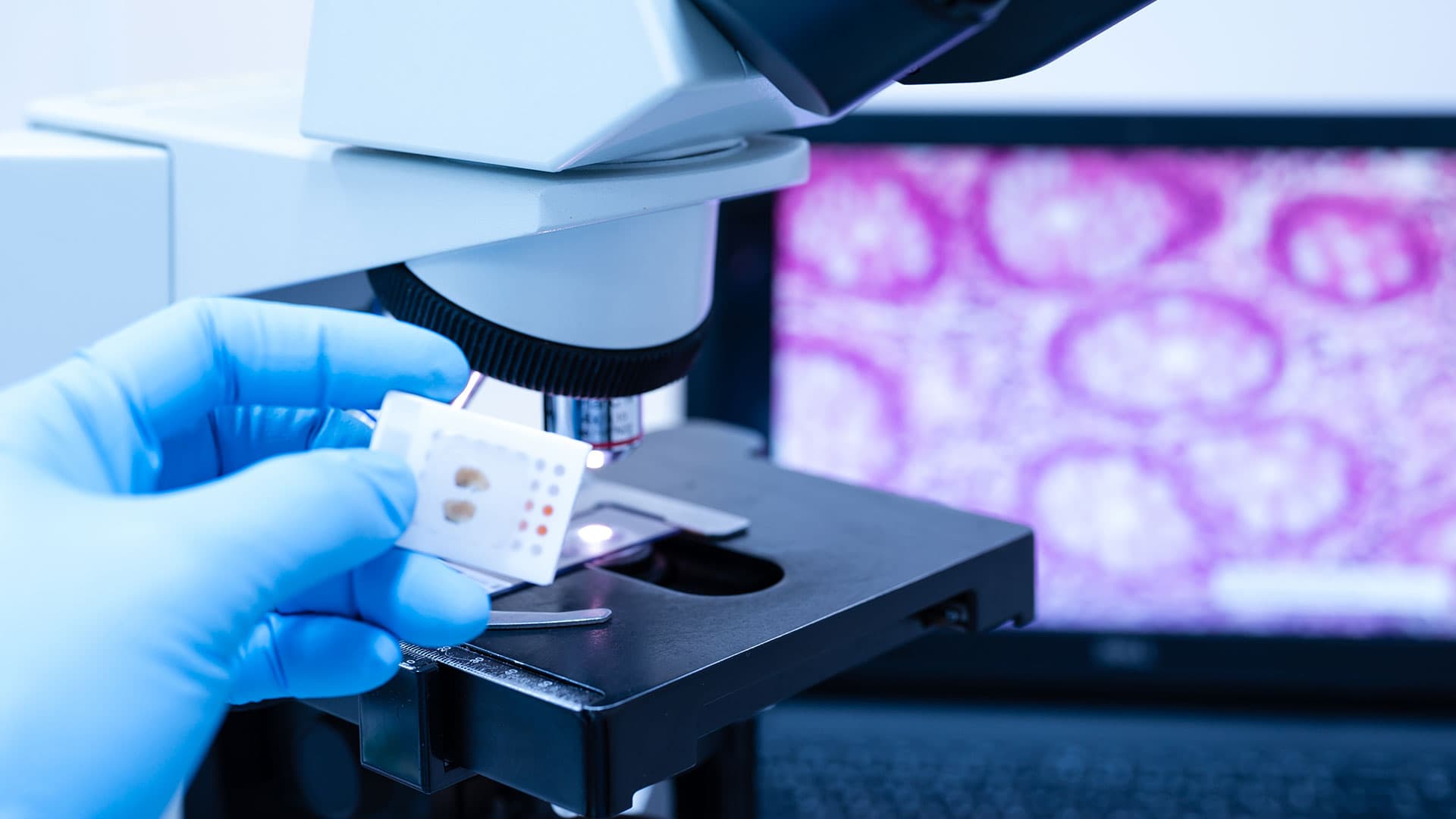
ANAEROBIC MICROBES
TARGET OF THE PROJECT
Growing Strictly Anaerobic Microbes Under Microaerobic Conditions
Description of the Application.
Very little is known about how microbes harvest energy for long-term survival in their native niches. Laboratory-based assessments of extreme energy stress in organisms, such as methane-producing Archaea, are unimpressive when compared to deep-sea sediment microbes, which support cellular respiration rates of 1 e¯ cell-1 sec-1.
Surprisingly, recent studies have shown that oxygen (O2) penetrates up to 75 m below the sea floor, suggesting that achieving anaerobiosis in the biosphere is rather difficult. That is, even the “strict” anaerobes cannot escape O2 and must find ways to deal with it.
Until recently, the consensus has been that oxidative stress response systems protect these organisms from exposure to O2. This paradigm was overturned by the finding that methanogens thriving in highly oxic conditions do not express O2 detoxification genes. So, the question arises about why obligately anaerobic methanogens and their syntrophic partners (sulfate-reducing bacteria, SRB) encode cytochrome oxidases (COX), which are well known to be essential for the survival of O2 respiring organisms.
Consequently, the long-term goal of this project is to uncover extraordinary energy conservation mechanisms in the microbial world. In 1978, the classical view that SRBs are obligate anaerobes was challenged by the discovery of these organisms in oxic environments. Although sulfate reduction is inhibited by O2, several SRBs were subsequently found to thrive in the air.
Over two decades ago, it was shown that SRB can mediate O2 respiration and couple it to ATP production, but the ability of these organisms to reproducibly grow aerobically with O2 as the terminal electron acceptor was only demonstrated in 2016 and again in 2018. Several SRBs encode at least two COX systems. Whether these O2 reductases conserve energy remains unknown. To answer this question, we are particularly interested in establishing laboratory conditions under which obligately anaerobic organisms can be cultured successfully in the presence of 0.01 – 1% O2.
ABOUT THE UNIVERSITY
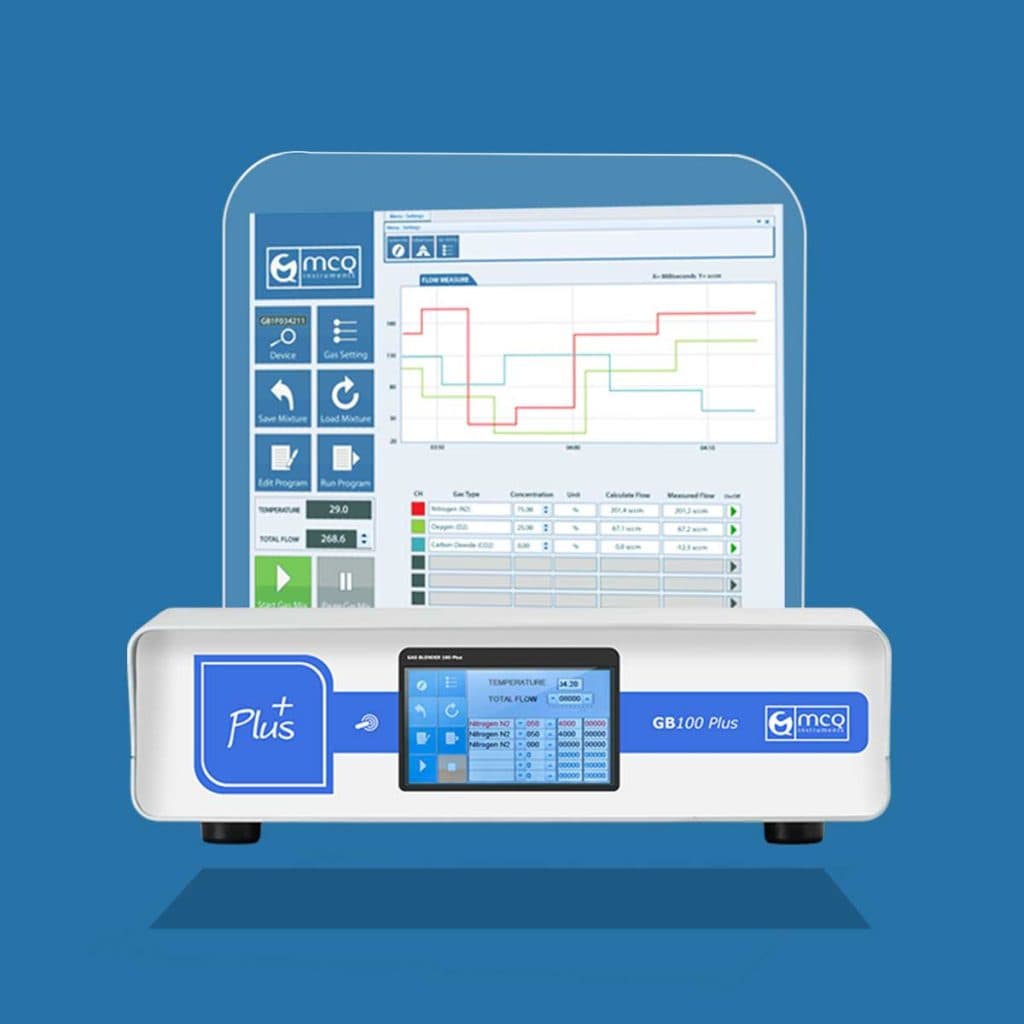
Opened in 1807, the University of Maryland, Baltimore (UMB) is Maryland’s public health, law, and human services university, dedicated to excellence in education, research, clinical care, and public service. The University of Maryland BioPark, Baltimore’s biggest biotechnology cluster, fuels the commercialization of new drugs, treatments, and devices, giving 1,000 scientists and entrepreneurs the space to create and collaborate.
Ref: UMB WebsiteMAIN BENEFITS
- •COST SAVING. The effectiveness of our Gas Blenders reduces consistently the gas consumption of 30%.
- •SUCCESSFUL ACHIEVEMENT. Setting an efficient environment which obligately anaerobic organisms to be cultured successfully in the presence of 0.01 – 1% O2 and keeping it under control.
- •TIME SAVING. Easier setup management of the hardware. Easier setup management of the software.
- •SOFTWARE AUTOMATION. Thanks to our Software PRO Version and its option “Automatic Program”, now the University of Maryland can bring forward experiments in automation.
- •MICRO FLOW. NO CUT-OFF. Our GB100 Series allows the University of Maryland to control the flow in all the calibration range, from 0,1 ml/min to 500 ml/min with NO cut-off.
- •FLOW STABILITY. Thanks to our revolutionary method every gas flow has a great stability making possible to have a stable flow also for lower flow-range.