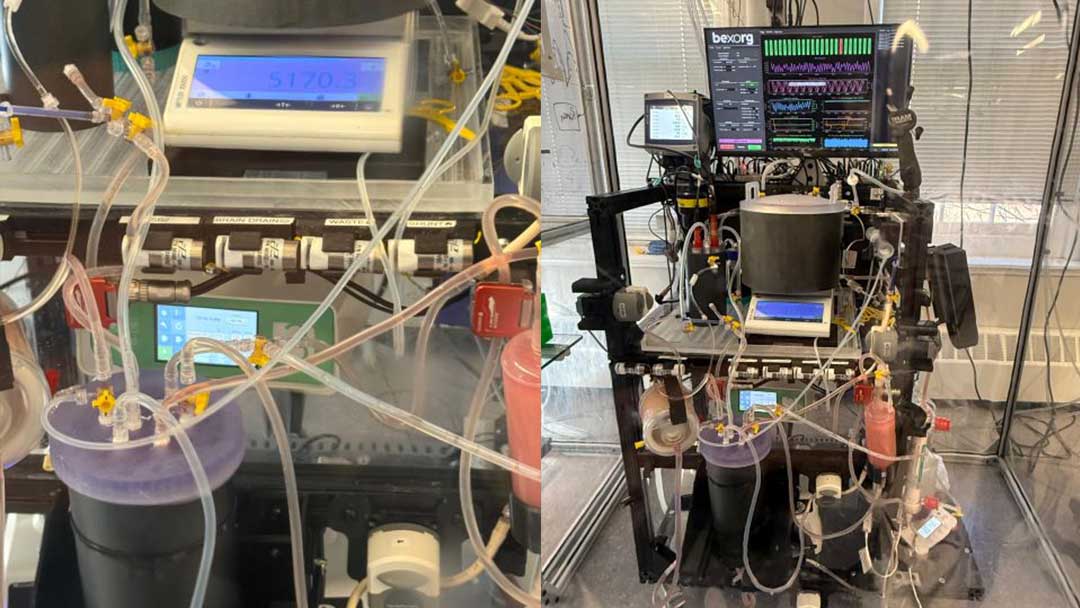
Gas Mixer for Ex Vivo Human Brain Perfusion — Bexorg
Bexorg uses MCQ Gas Mixers to deliver the precise oxygen and gas control that keeps perfused human brain tissue metabolically viable, stable and reproducible for preclinical drug testing.
Insights on dynamic gas mixing for life science research, cell biology and laboratory workflows.
Filter by:
Bexorg uses MCQ Gas Mixers to deliver the precise oxygen and gas control that keeps perfused human brain tissue metabolically viable, stable and reproducible for preclinical drug testing.
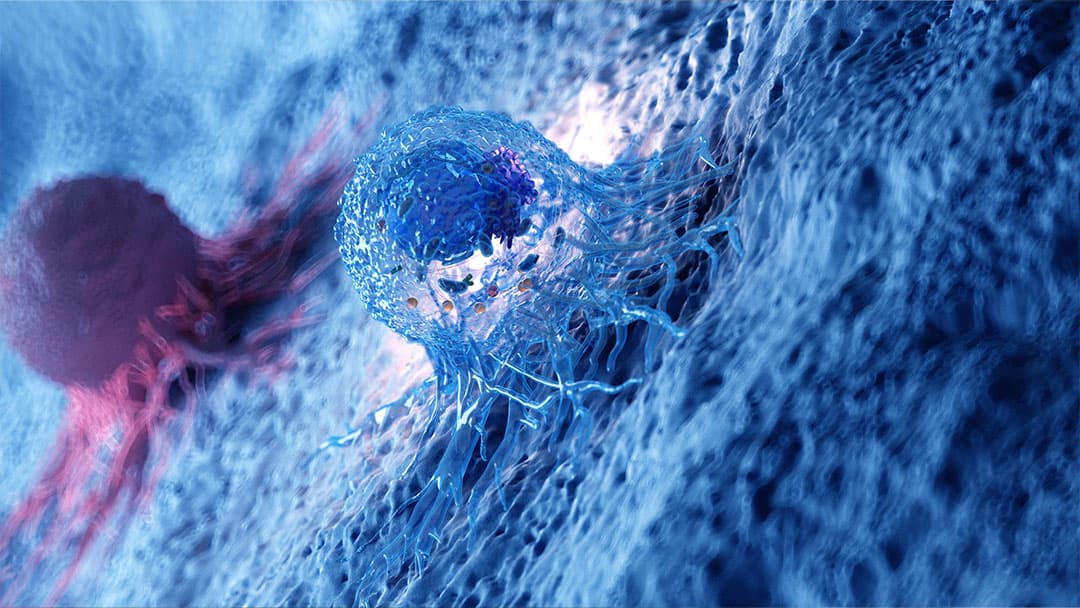
Gas mixers enable independent control of oxygen at two cell populations in the same co-culture, reproducing the vessel-to-tumour oxygen gradient for cancer and immune cell research.
Gas mixers reproduce the rapid intermittent hypoxia of obstructive sleep apnea, enabling researchers to study how cyclic oxygen exposure drives cancer cell proliferation and metastasis.

Gas Mixer for Intermittent Hypoxia. The cellular response to hypoxia is regulated through enzymatic oxygen sensors, including the prolyl hydroxylases.

Gas Mixer for oxygen sensing. Homeostatic control of cellular oxygen availability is a crucial feature of all eukaryotic life.
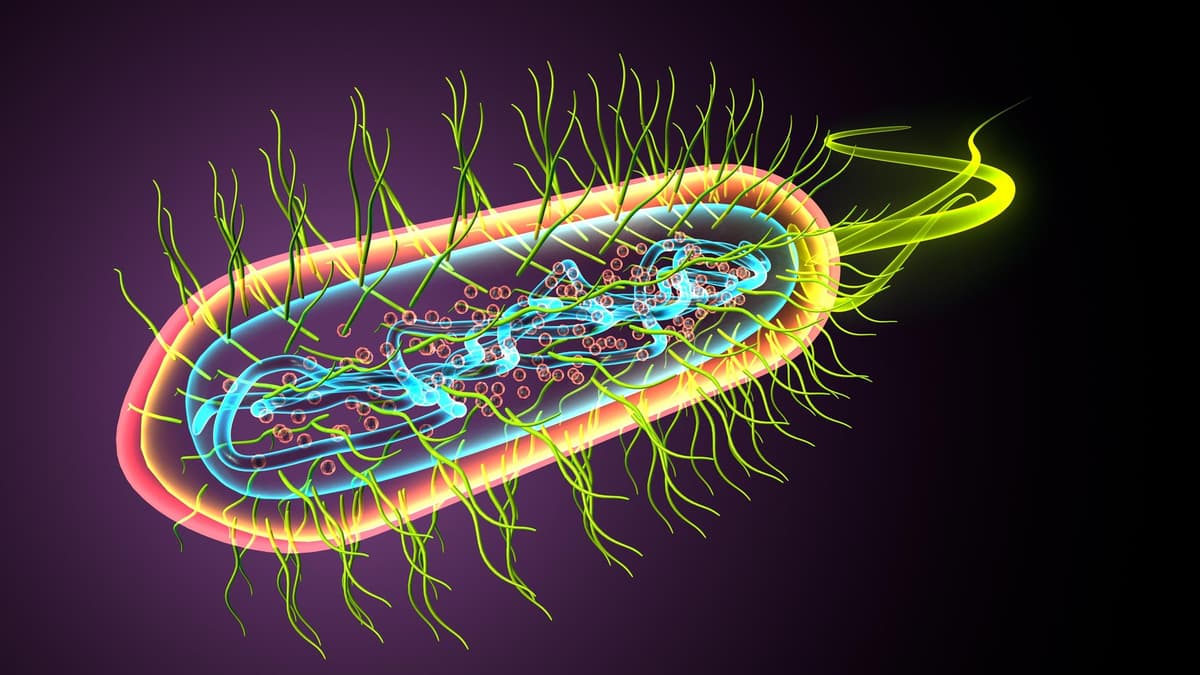
Gas mixers allow the output of defined gas compositions by combining gases such as O₂, CO₂, and N₂. Oxygen concentration can be adjusted.

In microbiology, small variations in gas composition can significantly impact experimental outcomes, this is especially critical in headspace-controlled systems.

Programmable gas mixers enable researchers to generate stable and reproducible gas environments, while also allowing dynamic adjustment of oxygen.
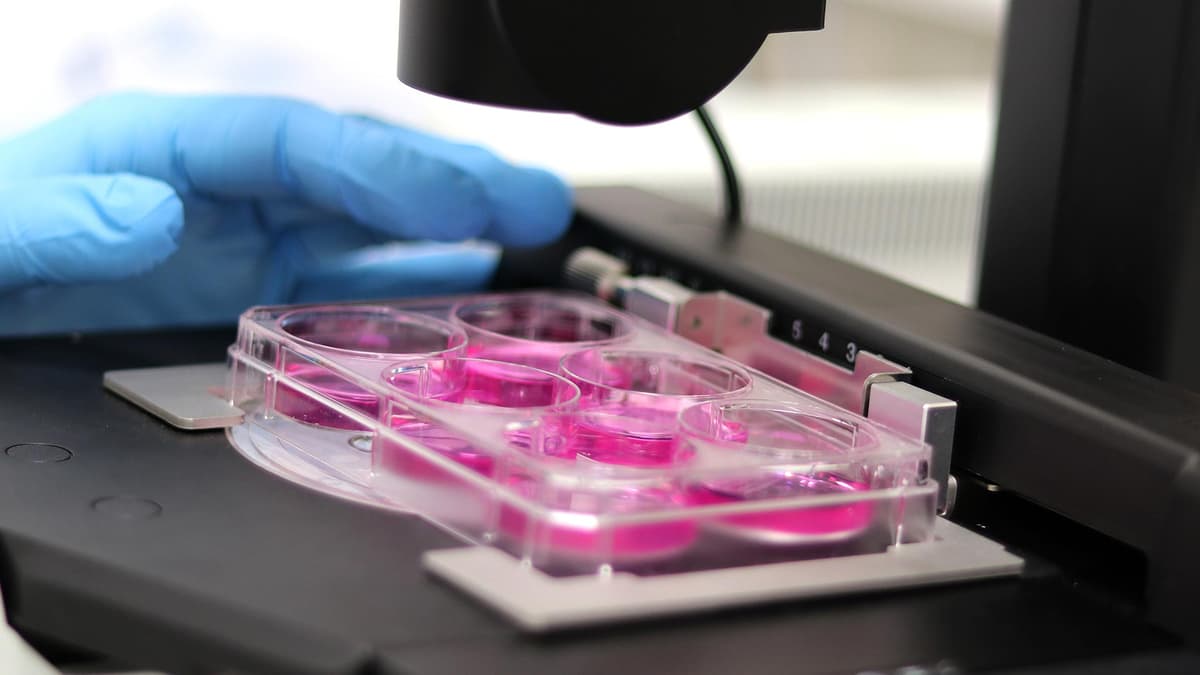
Programmable gas mixing systems address this challenge by maintaining stable and reproducible oxygen conditions throughout the experiment.

Gas mixers enable rapid titration of oxygen or carbon dioxide levels, allowing researchers to quickly explore a wide range of culture conditions
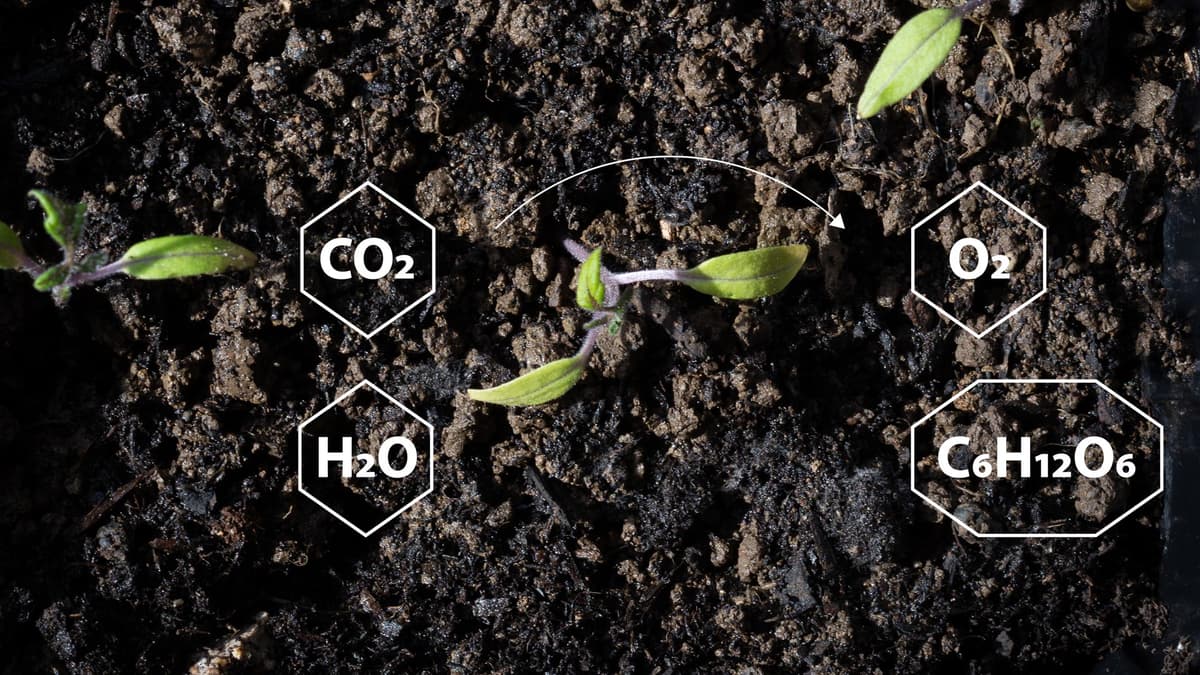
Programmable gas mixing devices provide an effective solution for generating precise and reproducible gas environments in plant physiology experiments.
A novel thermoregulatory role for PDE10A in mouse and human adipocytes. Phosphodiesterase type 10A (PDE10A) is highly enriched in striatum